A hundred years on Manitou Avenue.
El Colorado opened the year the first paved highways reached the Pikes Peak region, and it has taken in travellers every year since. This is what it was, what happened to it, and what we are doing now.
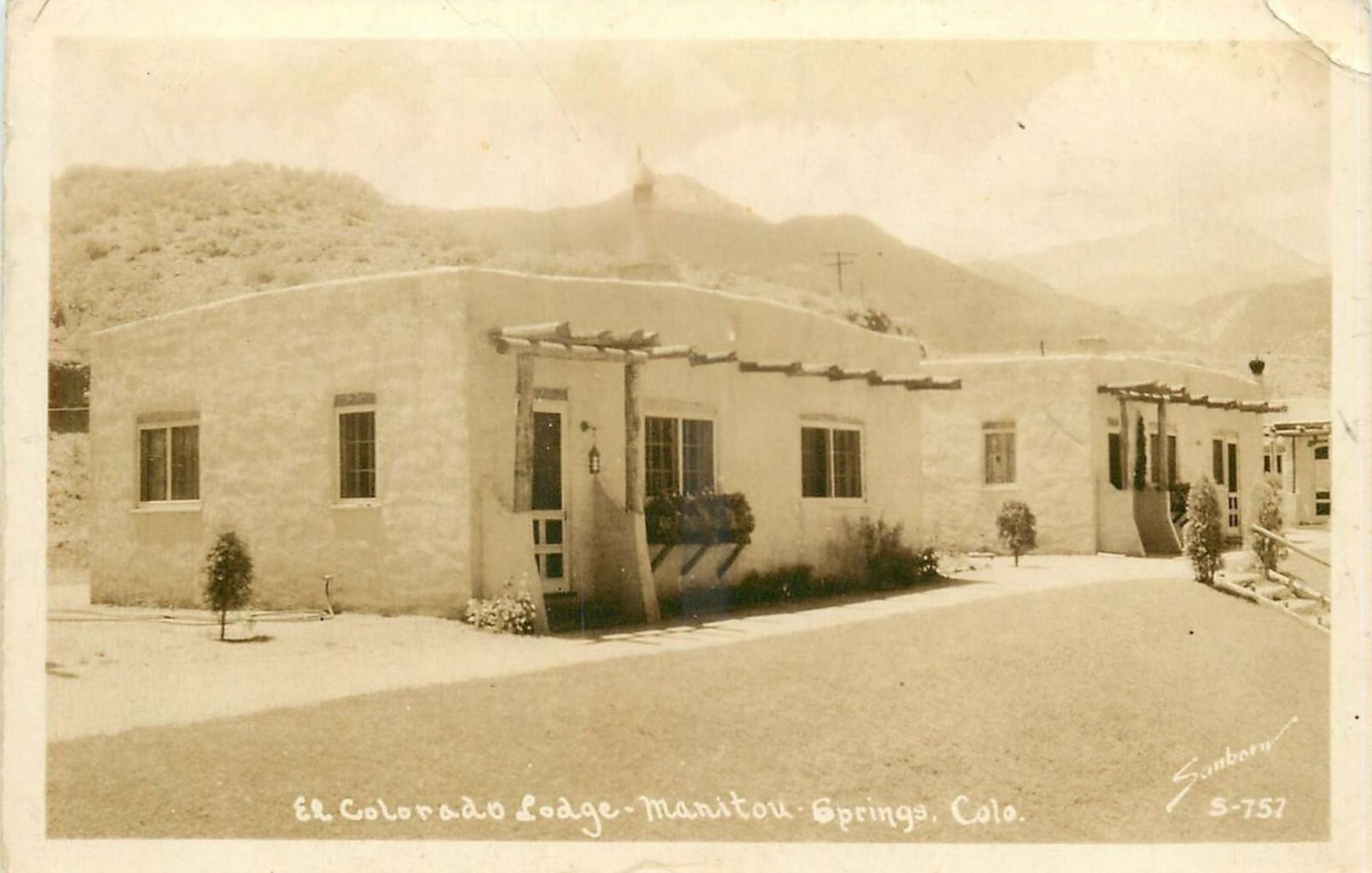
Built for a country that had just bought cars.
In 1926 the automobile was rearranging American travel. Families who would once have arrived by rail on somebody else's timetable were now driving themselves west, and they needed somewhere to stop that was not a boarding house. The answer was the motor court: cabins you could park beside, arranged around a courtyard.
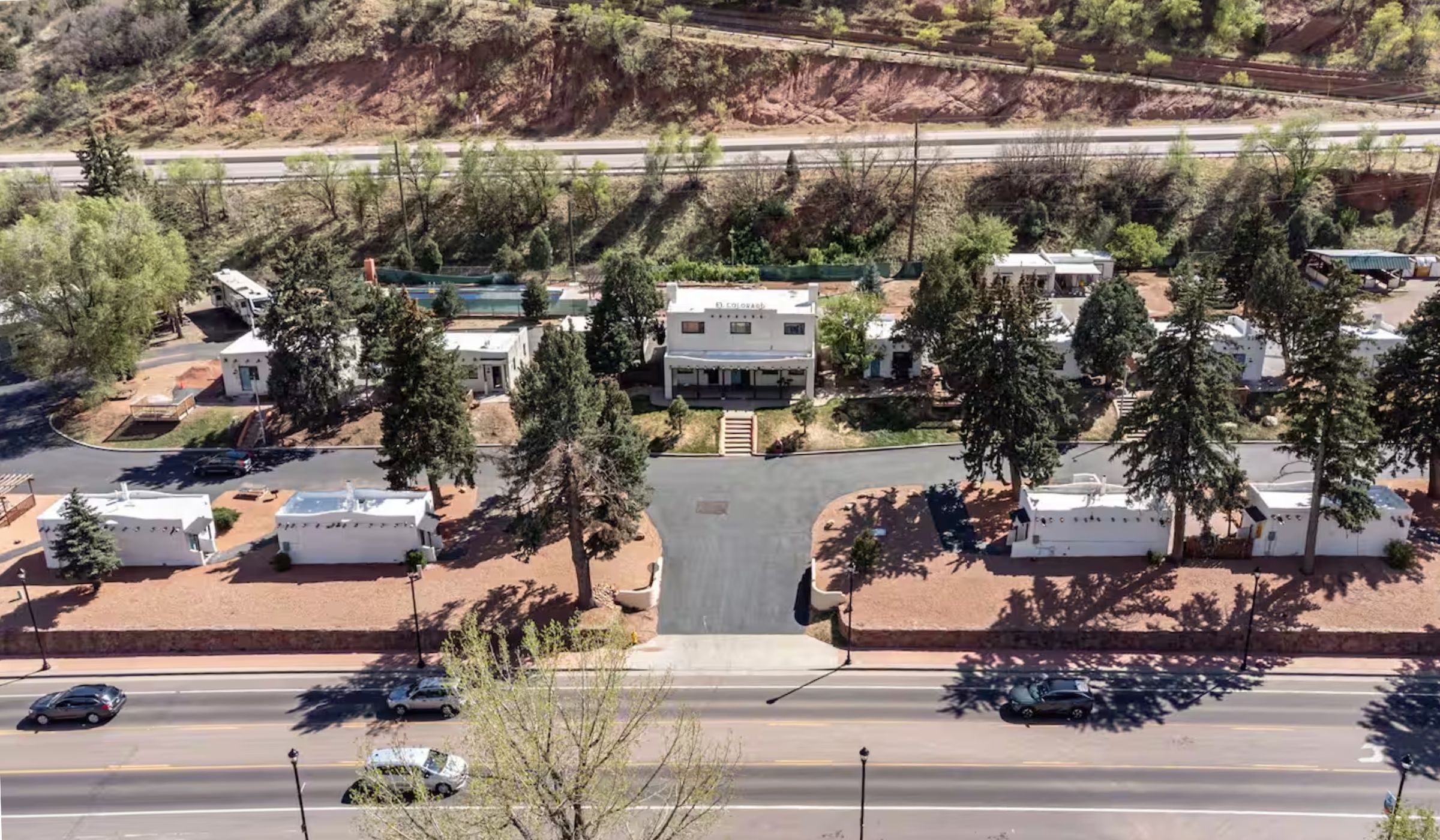
El Colorado was among the first of them here — twenty-four Pueblo Revival cabins and a main lodge, built at the mouth of Ute Pass on the eastern edge of Manitou Springs. Stucco walls, peeled log vigas projecting through them, flat roofs, and a siting that followed the land rather than the highway. In 1929 American City magazine held it up to the country as an example of what the new motor-travel camps of the West could be.
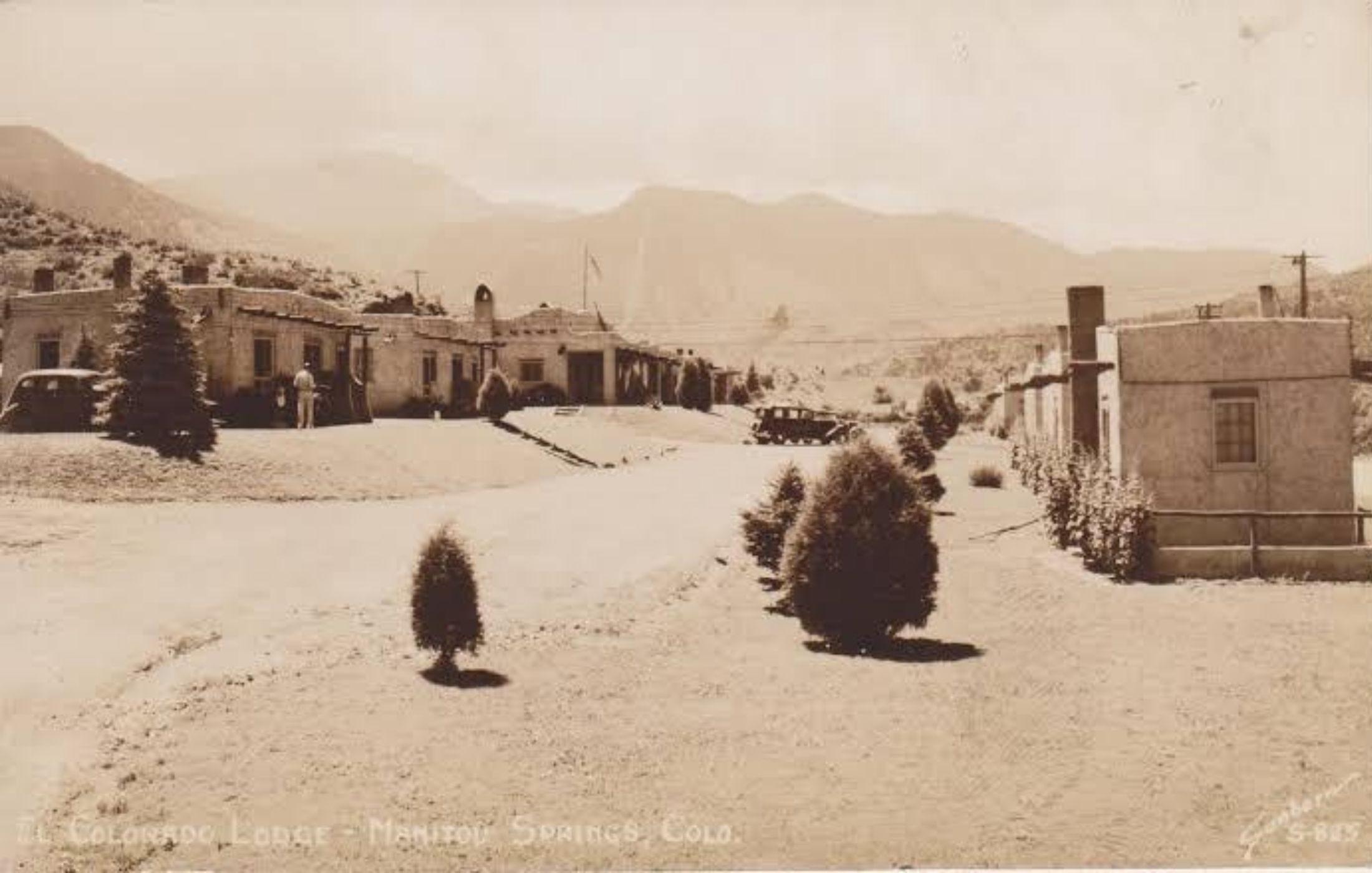
Why it looks the way it does
Pueblo Revival was not a decorative choice in 1926 Colorado — it was an argument. Architects across the Southwest were reaching past Victorian imports for something that belonged to this landscape: the thick earthen walls, deep-set windows and flat rooflines of the pueblos and the Spanish missions. Those walls do real work. Adobe and stucco hold the night's cool through a high-desert afternoon and give the interiors the deep quiet our guests remark on before anything else.
The El Colorado cabins are now recognised as their own subdistrict within Manitou Springs' historic fabric, and the character-defining features are exactly the ones you can still stand in front of: the stucco, the vigas, the flat roofs, the low sprawl across four acres.
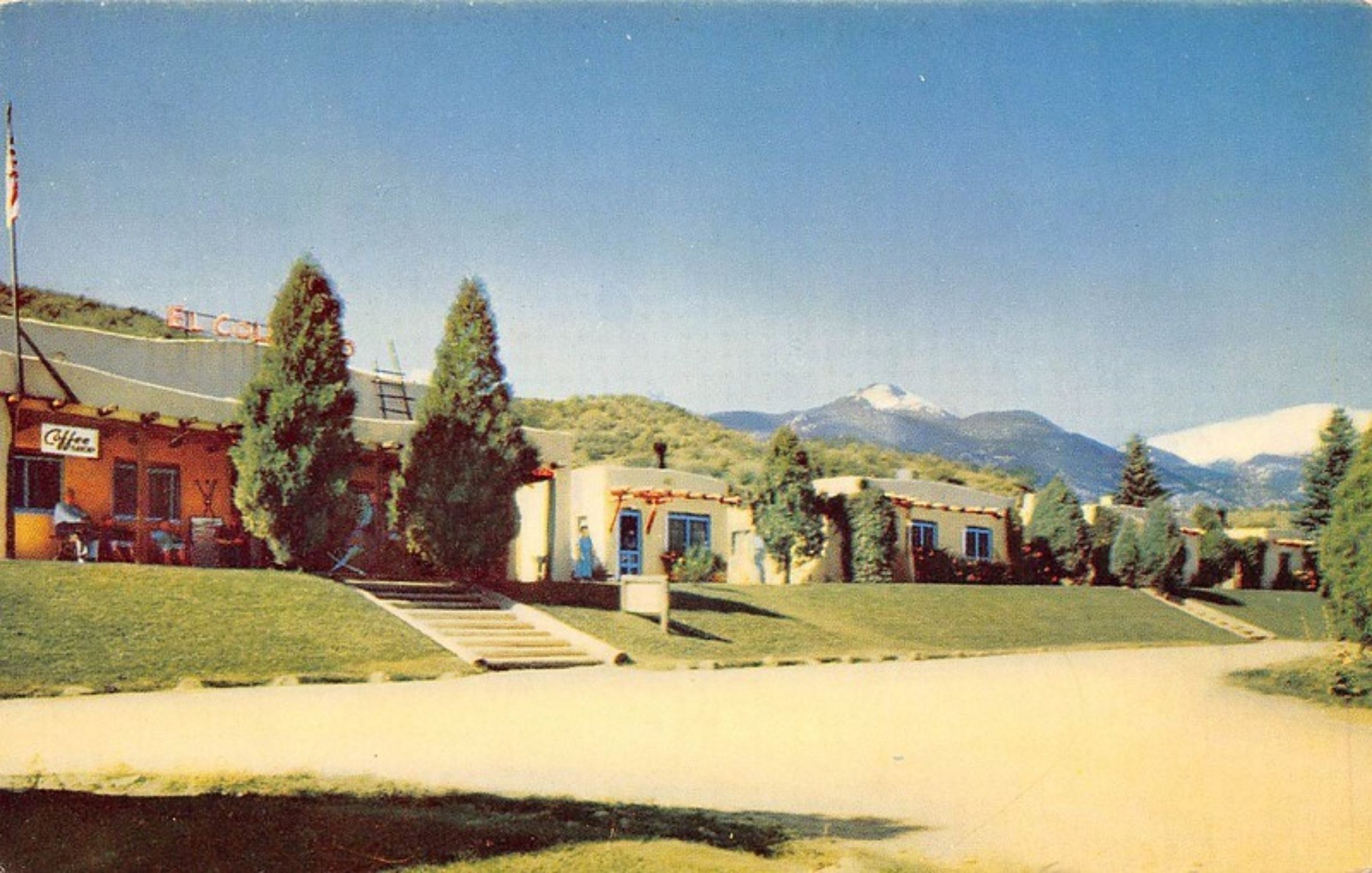
A century of continuous welcome
What is genuinely rare about this place is not that it is old. It is that it never stopped. El Colorado has taken in travellers through the Depression, through the war, through the interstate era that killed most of the motor courts it opened alongside, and into the present — making it one of the oldest continuously operating businesses in Manitou Springs.
The largest rebuild in its history.
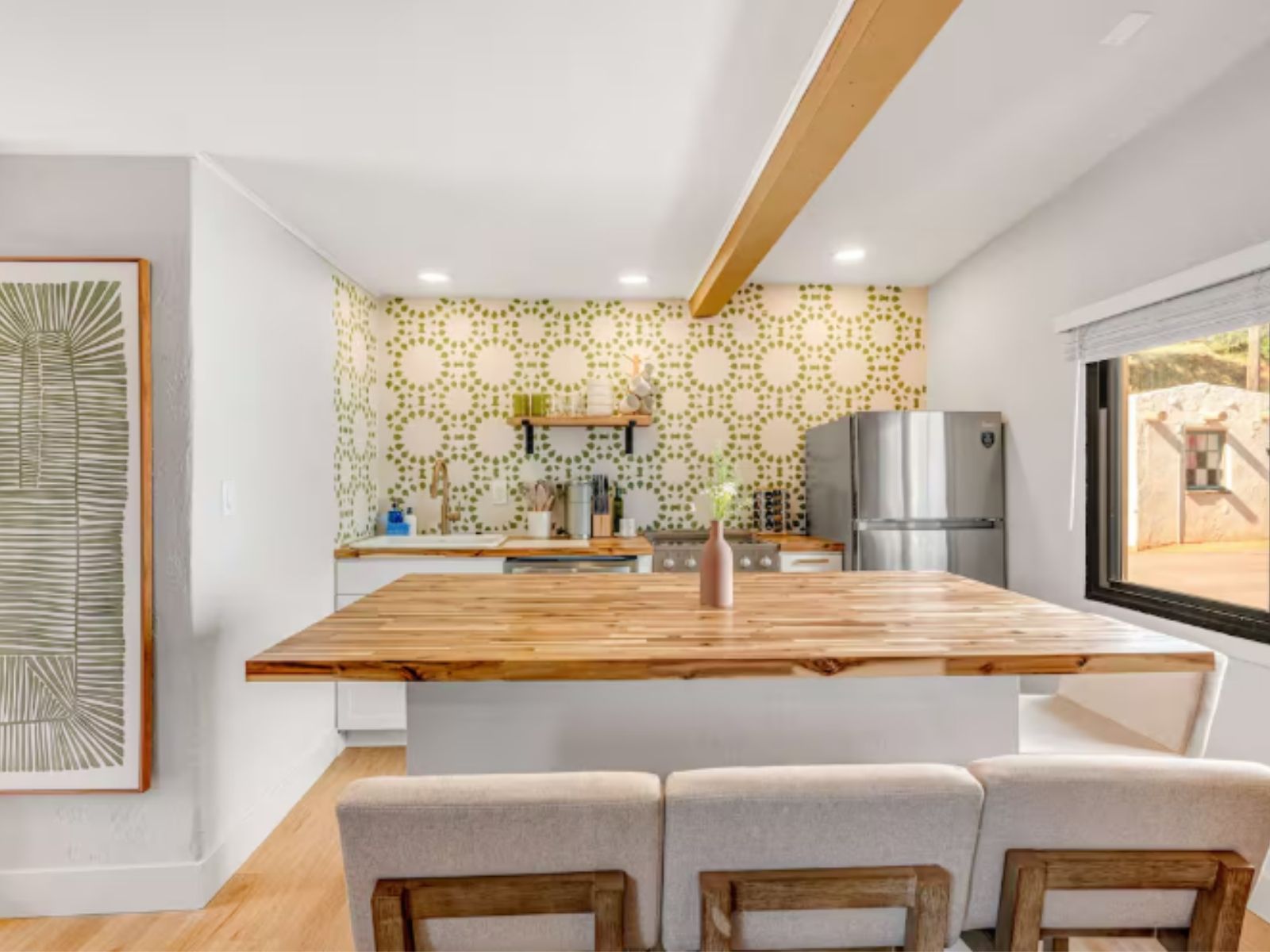
We took this on knowing that the fastest way to ruin a hundred-year-old adobe court is to renovate it quickly. So we are doing it casita by casita, and we do not open one until it is finished.
- 1926
El Colorado opens
Twenty-four Pueblo Revival cabins and a main lodge on four acres of Manitou Avenue.
- 1929
A national example
American City magazine points to El Colorado as a model of the new motor-travel camps of the West.
- 1930–2024
Nearly a century of guests
The lodge operates continuously, outlasting almost every motor court of its generation.
- 2025
New stewardship
New ownership begins a full-scale restoration: structure, systems, kitchens, baths, grounds.
- 2026
The centennial
Fifteen casitas reopen restored, in the property's hundredth year, as Las Casitas at El Colorado.
- 2027
The village complete
All twenty-two casitas finished, with the rebuilt pool, hot tub and sauna.
Keep the walls. Replace everything else.
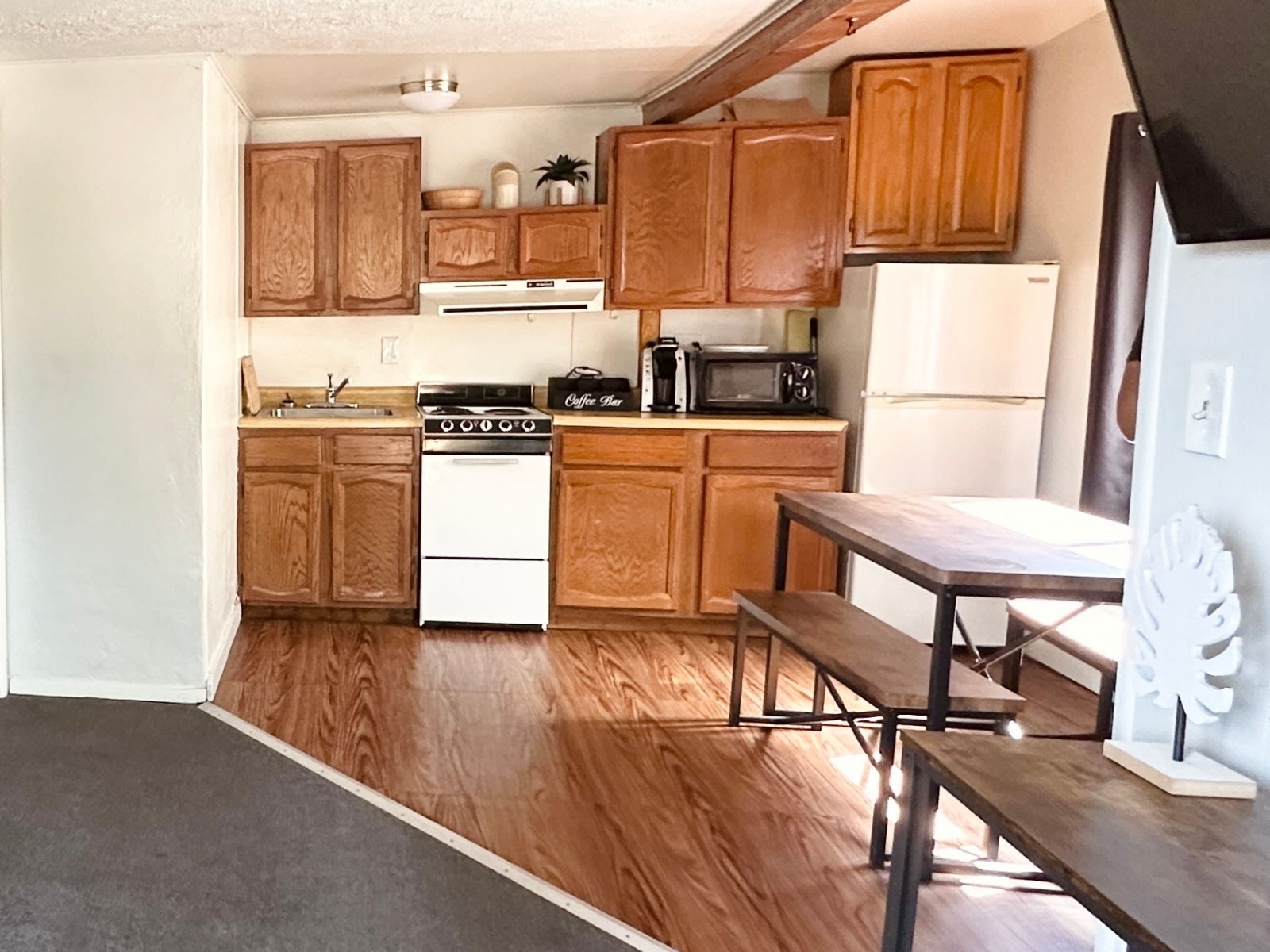
The rule we work to is simple. Anything that gives the property its character stays and gets repaired: the adobe and stucco walls, the vigas, the flat rooflines, the footprint, the trees. Anything that affects whether you sleep well gets replaced outright: wiring, plumbing, insulation, heating and cooling, windows, kitchens, baths.
That means a lot of the money on this project has gone into things you will never see and would certainly notice the absence of — water pressure, a quiet mini-split, a bathroom fan that actually works. The visible part is meant to feel like it has always been there: honest materials, warm light, nothing trend-chasing, nothing that will look dated in five years.
Be part of the next century.
Fifteen restored casitas are open now. Come see what a hundred-year-old adobe court looks like when somebody finally gives it the work it deserves.